
Quick Guide: How to Identify and Prevent Window Sash Sagging
| Inspection Area | Common Warning Sign | Possible Cause | What Buyers Should Check |
| Glass support | Glass appears to have shifted | Incorrect or insufficient glazing blocks | Glazing block layout |
| Sash alignment | Handle-side corner drops | Uneven load distribution or sash deformation | Sash dimensions and diagonal measurements |
| Bottom clearance | Sash scrapes the sill | Sash sagging or incorrect adjustment | Frame and sash clearances |
| Hinges | Excessive movement or difficulty operating | Hardware capacity or installation issue | Approved hardware load specifications |
| Locking system | Handle requires extra force | Misaligned locking points | Hardware configuration and sash alignment |
| Frame connections | Corners show movement | Insufficient connection strength or assembly accuracy | Corner joints and reinforcement |
Why Do Large Aluminum Tilt and Turn Windows Sag?
Sash sagging occurs when the glass and frame weight exceeds the support provided by the glazing arrangement and hardware. The risk increases with sash size and glass weight.
Heavy Glass Weight and Sash Deformation
For Large Aluminum Tilt and Turn Windows, heavier glazing, especially wider panels and triple-glazed units, places greater demands on the frame and hinges. Buyers should also consider glass safety, span, deflection and replacement requirements. Our guide to large-format glass covers these project considerations.
For example, a sash wider than 1.5 m with an approximately 80 kg glass unit requires careful load assessment. Actual weight depends on glass dimensions, thickness and composition.
This weight creates a rotational load across the sash. Without correct glazing support, the handle-side corner may drop, causing the sash to lose its rectangular shape and develop uneven frame clearances.
When specifying Large Aluminum Tilt and Turn Windows, buyers should assess sash dimensions and glass weight together, and confirm that the frame, glazing blocks and hardware are suitable for the proposed configuration.
How Four-Bar Hinge Geometry Affects Sash Alignment
The hinge mechanism guides sash movement between tilt and turn positions, but it cannot eliminate the effects of gravity. If glazing support or frame connections are inadequate, the sash may deform under its own weight.
For Large Aluminum Tilt and Turn Windows, this deformation can turn a rectangular sash into a parallelogram, causing uneven gaps and making locking points harder to engage.
Stable operation therefore depends on matching sash dimensions and glass weight with profile stiffness, corner connections and hardware specifications.
Toe-and-Heel Glazing: How Diagonal Support Prevents Sash Sagging
Toe-and-heel glazing uses diagonally positioned support blocks to transfer glass weight through the sash and prevent downward movement. For Large Aluminum Tilt and Turn Windows, this arrangement helps maintain sash alignment under heavy glazing loads.
How Diagonal Glazing Blocks Transfer Glass Loads
In a typical side-hung arrangement, the toe block sits near the lower hinge-side corner, while the heel block is positioned near the upper lock-side corner. This diagonal support helps the glass maintain the sash’s rectangular shape rather than resting only on the bottom edge. Block dimensions, materials and placement should follow the glazing system and hardware manufacturer’s instructions.
For Large Aluminum Tilt and Turn Windows, heavier glass and wider sash spans make accurate block positioning essential. Incorrect placement can cause sash distortion, uneven gaps and operating difficulties.

Three Common Glazing Installation Mistakes
1. Flat or bottom-only packer placement
Supporting glass only along the bottom edge without diagonal packing can cause sash deformation. For Large Aluminum Tilt and Turn Windows, this increases the risk of sash racking under heavy glass loads.
2. Missing lateral shear blocks
Without proper side support, glass may shift within the glazing rebate during repeated operation. Block placement should follow the glazing system manufacturer’s instructions.
3. Displaced bridge packers
Incorrectly positioned or displaced bridge packers can interrupt load transfer, leading to sash distortion and bottom-frame contact. In Large Aluminum Tilt and Turn Windows, accurate packer installation is essential for stable glass support.
These defects may not be visible externally. Buyers should request glazing layout details and assembly inspection records rather than relying solely on product photographs.
Frame Strength, Hardware Selection and Manufacturing Quality
Correct glazing support is only one part of a stable window assembly. The aluminium frame, corner connections and operating hardware must also suit the dimensions and weight of the sash.
Why Heavy-Duty Hinges Alone Are Not Enough
Large Aluminum Tilt and Turn Windows require hardware selected according to sash dimensions, weight and opening configuration. A hinge’s maximum load rating is not a universal guarantee, so buyers should check approved hardware combinations and size restrictions.
For example, Roto’s technical overview of tilt-and-turn hardware for aluminum systems explains hardware options for different sash formats and heavy glass loads.
For Large Aluminum Tilt and Turn Windows with triple glazing, additional glass weight may require stronger hardware and frame reinforcement. However, heavy-duty hinges cannot compensate for weak corner connections, insufficient profile stiffness or incorrectly positioned glazing blocks. The complete window system must be evaluated together.
Frame Alignment and Assembly Tolerance Control
Frame fabrication and assembly accuracy directly affect window alignment and operation. Incorrect machining, uneven corner connections or inconsistent dimensions can cause alignment problems, especially with heavy sashes.
For Large Aluminum Tilt and Turn Windows, manufacturers should check frame dimensions, corner connections, sash diagonals and overall alignment. Buyers should request defined assembly tolerances and inspection records to verify production accuracy. Correct frame fabrication must also be matched with proper glazing block positioning.
What to Check in Factory Quality Inspection
Buyers should verify quality control throughout production, particularly for Large Aluminum Tilt and Turn Windows with heavy sashes.
Key inspection points include:
- Profile cutting and machining dimensions.
- Corner joints and reinforcement.
- Sash diagonal measurements.
- Hardware installation and operation.
- Glazing block position and glass support.
- Final opening, closing and locking checks.
Ask the manufacturer for documented assembly tolerances and inspection procedures. Starveil can review project drawings, opening schedules and glass specifications to discuss suitable profile configurations, glazing arrangements and hardware selection. Specific inspection equipment, tolerances and testing procedures should be confirmed through actual production records.
How to Diagnose and Fix a Sagging Window Sash
Inspect the sash before making adjustments, as similar symptoms can have different causes.
Inspecting Sash Alignment and Frame Clearances
For Large Aluminum Tilt and Turn Windows, check perimeter gaps, bottom-rail contact marks and locking point alignment. Measure the sash diagonals to identify possible distortion, then inspect the hinges, locking hardware and glazing blocks for movement or incorrect positioning.
Determine whether the problem comes from hardware adjustment, frame installation or inadequate glass support. Adjusting the wrong component may only mask the symptom without fixing the underlying cause.
Cam Adjustment vs. Complete Reblocking
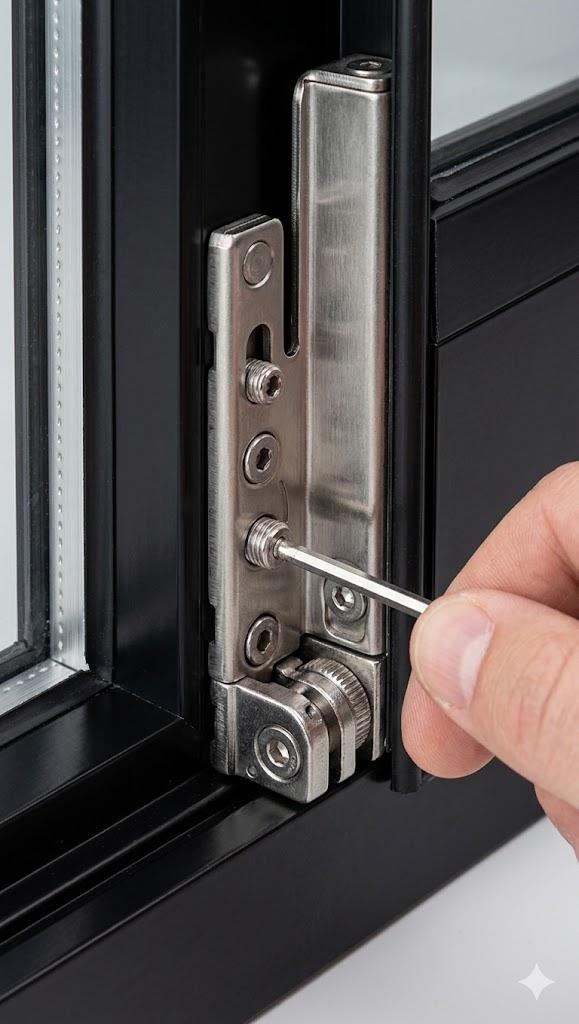
Cam adjustment uses approved hardware adjustment points to correct minor sash alignment issues when the frame and glazing support are sound. However, it cannot compensate for incorrectly positioned glazing blocks.
For Large Aluminum Tilt and Turn Windows, missing or incorrect diagonal support may require removing the glazing beads and repositioning the glass. This work requires trained personnel and suitable handling equipment, especially for large insulated glass units. After reblocking, check sash alignment, clearances and locking operation.
What Buyers Should Check Before Ordering Large Aluminum Tilt and Turn Windows
For B2B buyers, preventing sash sagging starts before production. Technical documents, manufacturing evidence and clear project specifications help reduce the risk of selecting a window system that is unsuitable for the intended opening size.
Technical Documents and Manufacturing Evidence
Before approving a supplier, request information that shows how the proposed window is designed and assembled.
Useful documents include:
- Window fabrication drawings and sash dimensions.
- Glass composition, thickness and calculated unit weight.
- Glazing block layout or installation details.
- Profile sections and reinforcement details.
- Hinge and locking hardware specifications.
- Defined assembly tolerances and inspection records.
- Relevant functional test records, where available.
For custom large aluminum tilt and turn window systems, these documents help buyers check whether the proposed configuration is suitable for the project rather than relying on a general product description.
Project Specifications and Quotation Requirements
A quotation request should provide enough information for the manufacturer to assess the window configuration.
Prepare the following details:
- Window elevations and opening dimensions.
- Glass composition, thickness and double or triple glazing requirements.
- Required opening configuration and operating direction.
- Project location and applicable building standards.
- Wind load, thermal and acoustic performance targets.
- Estimated quantities, delivery schedule and destination port.
The manufacturer can then review the proposed profile, glass and hardware configuration against the project requirements.
Key Points for Supplier Evaluation
When comparing suppliers, do not focus only on unit price, profile appearance or maximum sash size.
Check whether the supplier can explain the relationship between glass weight, frame stiffness, glazing support and hardware capacity. Ask for technical drawings and inspection evidence that relate to the actual configuration being quoted.
A supplier with clear technical documentation can help buyers identify potential problems before production. For large format aluminum tilt and turn windows for modern buildings, this is particularly important because changes after glazing or installation can be expensive.
RELATED READING
Explore the Starveil Insights hub for more technical guidance on aluminum windows and facade systems. You can also read our guides on thermally broken aluminum windows, large-format glass for public buildings and facade fabrication tolerances to better understand frame performance, glass specifications and manufacturing quality before selecting a window supplier.
Frequently asked questions
Why Does a Large Aluminum Tilt and Turn Window Sag?
A large sash may sag when heavy glass is not correctly supported, the frame lacks sufficient stiffness or the hardware is unsuitable for the sash dimensions and weight. Incorrect glazing block placement is one possible cause.
Can Toe-and-Heel Glazing Prevent Sash Deformation?
Correctly positioned diagonal glazing blocks help transfer the glass load and maintain sash geometry. The arrangement must follow the selected window and glazing system’s installation requirements.
Are Heavy-Duty Hinges Enough to Support Triple Glazing?
No. Heavy-duty hinges are only one part of the support system. Buyers must also consider the glass weight, sash dimensions, profile stiffness, corner connections and glazing support.
Can a Sagging Window Be Fixed Without Removing the Glass?
Minor alignment issues may be corrected through approved hardware adjustments. If the glass is incorrectly packed, the glazing beads may need to be removed so the glass can be reblocked.
What Should Buyers Request From a Window Manufacturer?
Request fabrication drawings, glass specifications and weight calculations, glazing block details, hardware specifications, assembly tolerance information and relevant inspection records. These documents help assess whether the proposed window system is suitable for the project.
About the author