What the omission hides, and what to ask instead
| Red flag | What it hides | Ask instead |
|---|---|---|
| Lump sum, no bill of quantities | Which areas and opening types are priced | Ask for a line-by-line BOQ by elevation |
| No wind-load or engineering basis | Calculations that were never done | Ask for the design pressure and calculation basis |
| Glass named by thickness only | Coating, spacer and interlayer choices | Ask for the full written build-up |
| No performance test evidence | Claims with nothing behind them | Ask for reports on the quoted configuration |
| Packing “to be advised” | Containerisation cost pushed to you | Ask for the packing method and crate count |
| No Incoterm named | Where risk transfers is undefined | Ask for the price under a named Incoterm |
| One blended warranty | Supply and installation faults entangled | Ask for separate instruments per scope |
| Delivery promise without a plan | No drawing, fabrication or test stages | Ask for the milestone programme |
| No shop-drawing stage | No approval gate before metal is cut | Ask when approved drawings release fabrication |
| Full prepayment demanded | No factory commitment to your project | Ask for staged payment against milestones |
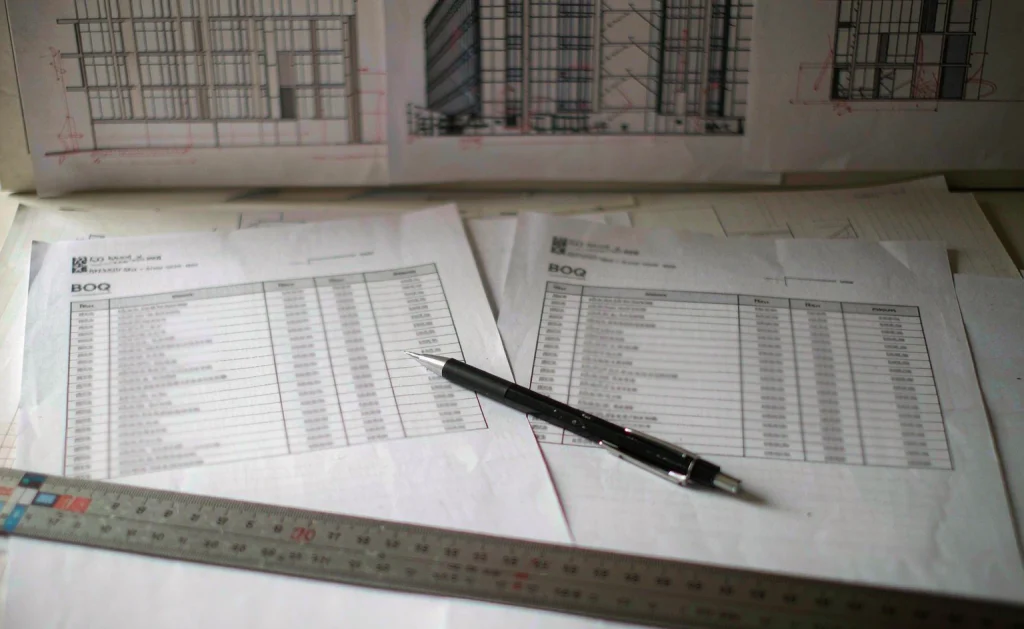
One facade quotation red flag is a question. Three together are a pattern, and the pattern says the price was assembled to win the comparison rather than to build the building.
Why thin quotations appear
Some thin quotes are optimism, but most are structure, and most facade quotation red flags trace back to that structure. A trading company quoting a factory’s catalogue has no engineering desk behind its number, so the number can only cover the components it can see. The comparison between manufacturers and intermediaries is covered in our guide on trading companies versus manufacturers. The practical lesson for the tender table is simple. Before comparing any prices, confirm both quotations price the same eight lines, or the comparison is arithmetic without meaning. A curtain wall quote comparison earns its place at the tender table only when both sheets price the same scope.
The engineering basis must be priced in
Engineering is invisible in a photograph and decisive in a storm. A quotation that omits the wind-load basis, the calculation standard or the tolerance regime has not forgotten them; it has declined to pay for them, which is why a missing basis is one of the facade quotation red flags that costs the most later. Wind pressure sets the glass build-up and the framing, and tolerances set whether the panels fit the structure that receives them. Starveil Facade prices the engineering of each project on its Foshan desk before fabrication releases, because that is where the number is cheapest to fix.

If a supplier cannot state the basis, the cheapest line items will reappear later as site rework billed to you. Engineering done before fabrication is an asset. Engineering done after installation is a claim.
Boundaries beat discounts
The middle of a quotation is where costs hide, and where most facade quotation red flags live. Packing method and crate count decide whether the glass arrives as panels or as scrap, which is why our container loading guide treats the load plan as a project document. The Incoterm decides where the seller’s responsibility ends, and unnamed freight terms mean it ends wherever is convenient. Delivery promises need a milestone programme behind them, with drawings, fabrication, testing and shipping as separate gates, as our delivery milestones guide sets out. Freight route choices interact with all of this, and are covered in our sea freight routes guide.
Verify, then negotiate
Negotiation moves a price. Verification moves the truth behind it, and it is the answer to each of the facade quotation red flags on the list. Ask every shortlisted supplier the same documentary questions and compare the answers as documents, not as promises: BOQ, engineering basis, test reports, packing plan, Incoterms, warranties, milestone programme. Pre-shipment inspection belongs in the same set. When a buyer appoints SGS, BV or TÜV, we host such inspections as a standard part of export orders, so a quotation that leaves inspection out is pricing it as an option rather than a stage. That is the method of our 24-question supplier checklist, and it turns the tender from a price beauty contest into an evidence review. A supplier who answers with paperwork can also be negotiated with, because both sides are then looking at the same scope.
Send the tender documents, ask for the eight lines
Send your drawings, the wind environment and the programme, and ask each bidder to price the same eight-line scope with named Incoterms and separated warranties, which leaves the facade quotation red flags nowhere to hide. Starveil Facade responds from the Foshan factory with a quotation that decomposes exactly that way, which is what makes it comparable, negotiable and enforceable.
ما يجب تذكّره
- Facade quotation red flags are omissions, and omissions are scope.
- Eight lines make a quotation comparable.
- Engineering priced in is cheaper than engineering re-done.
- Named Incoterms and separated warranties fix responsibility.
- Verify with documents first; negotiate the verified price second.
RELATED READING
Before comparing facade quotations, visit our Facade Systems Hub to understand how system selection, building geometry and performance requirements affect the scope and cost of an envelope. For a clearer breakdown of the costs behind a complete facade package, read our 2026 facade cost guide. To understand which engineering, manufacturing and installation responsibilities belong in a design-and-supply agreement, explore our facade design and supply guide. You can also review our facade delivery timeline guide to see how drawing approvals, fabrication, quality checks, packing and shipment should be reflected in a realistic project programme.
الأسئلة الشائعة
How do you compare facade quotations from different suppliers?
Decompose each price into the same eight lines: engineering, materials, fabrication, test evidence, packing, freight under a named Incoterm, installation scope and warranties. Only quotations broken into the same lines can be compared; lump sums cannot.
What are the most common facade quotation red flags?
The common facade quotation red flags are a missing bill of quantities, no wind-load basis, glass specified by thickness alone, no test reports, unspecified packing, no named Incoterm, a single blended warranty and demands for full prepayment. Any three together signal a scope built to win the comparison.
Why should supply and installation warranties be separate?
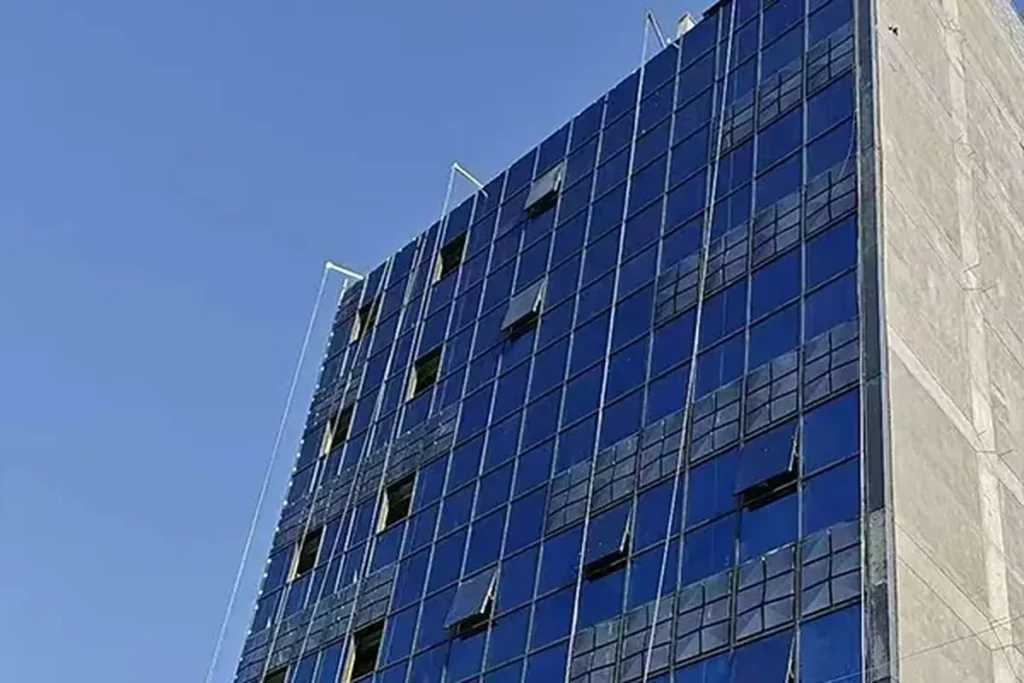
Because faults can originate in manufacture or in erection, and a blended warranty lets each party blame the other. Separate instruments assign each failure mode to the party that controls it, which is why the delivered Baghdad project issued them separately from the outset.
Is the lowest facade quotation usually the cheapest project?
Rarely. A price that omits engineering, packing, test evidence or freight boundaries reappears as variation orders and site rework. The cheapest project is the one whose quotation describes the whole envelope, verified before signature.
Should a facade quotation include third-party inspection?
Yes. If you intend to appoint SGS, BV or TÜV for pre-shipment inspection, the quotation should assume it, because we host such inspections as a standard part of export orders. A price that treats inspection as an unbudgeted extra has usually left the other evidence stages out of the scope as well.
What payment structure keeps facade quotation red flags out of the contract?
Staged payments against milestones rather than full prepayment. Deposits release engineering, drawing approval releases fabrication, and testing or shipment releases the balance, so every payment is tied to evidence you can check. A supplier demanding full prepayment before any gate has removed both your leverage and its own commitment to the project.
عن الكاتب