Three routes into the envelope
| Route | Budget feel | Programme length | Behaviour in Gulf conditions |
|---|---|---|---|
| Direct reskin | Lowest first cost; new panels and glass on the existing frame | Short; often one closed period for glazing swaps | Limited by the old fixings and sealant, which have already aged in the heat |
| Back-ventilated rainscreen | Mid; adds a sub-frame and cavity but reuses the structure | Medium; panels arrive finished and fix bay by bay | Strong; the cavity vents heat, drains moisture, and panels are individually replaceable |
| Shading-integrated upgrade | Highest; fins or screens add material and engineering | Longest; the shading geometry needs its own design pass | Strongest; solar control before the glass, and a second facade after dark |
RELATED READING
The route decision in a boutique facade upgrade is a thermal decision before it is a budget decision, and the performance arithmetic behind it is set out in our guide to thermal performance in GCC facades. The shading-integrated route has regional precedent in our project library. A coastal Dubai majlis estate study records mashrabiya screens tempering the sun before it reaches the glazing. A Riyadh villa study records an external screen shading BIPV cells on the solar-facing elevations. In this region shading is structure, not decoration.
What a 50 °C summer does to the materials list
Gulf summers push surface temperatures well past the air temperature, and dark unshaded cladding can exceed 70 °C in the afternoon. At those temperatures generic sealants embrittle, gaskets take a compression set they never recover from, and colour coats chalk and fade years early. The specification for a boutique facade upgrade answers with high-temperature-rated silicone weather seals, PVDF or equivalent finishes with batch traceability, and movement joints sized for the real daily swing rather than the catalogue default. Panel cores need documented reaction-to-fire behaviour, and ASTM E84 and its regional equivalents are the usual reference points at astm.org. None of this costs much more than the generic alternative. It only costs more when it is discovered after the first summer.
Salt air on one side, dust on the other
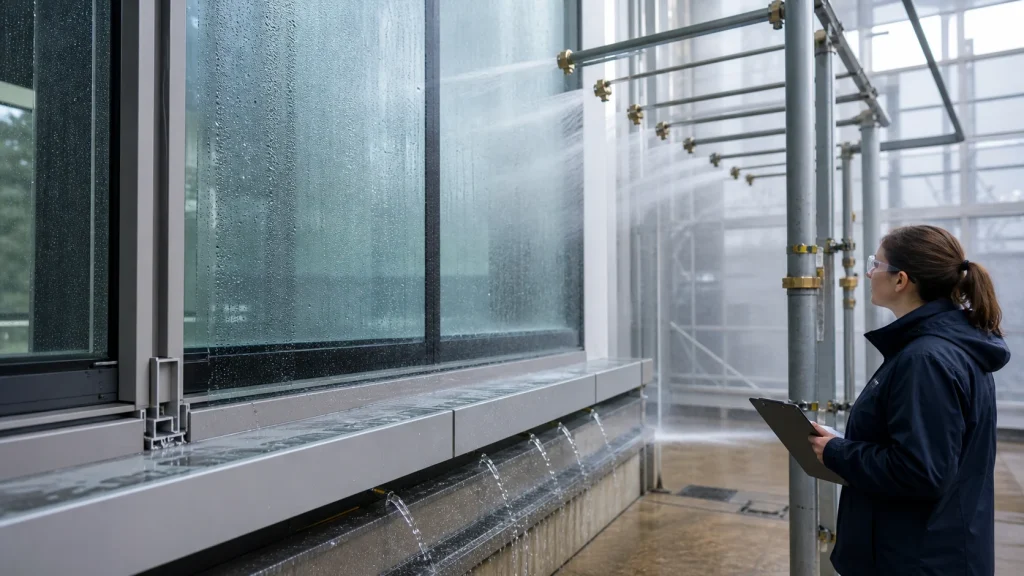
Coastal Gulf facades live in a compound exposure. Salt fog arrives on the sea breeze, desert dust arrives on the shamal wind, and the two meet on the coating. Dust is abrasive in wind and hydrophobic when it settles, salt is corrosive whenever it stays damp, and a flat sealed wall gives both a permanent home. For a boutique facade upgrade, a back-ventilated rainscreen answers both at once. The cavity flushes heat away from the interior, drains what moisture enters, and can be screened against insects without losing its ventilation path.
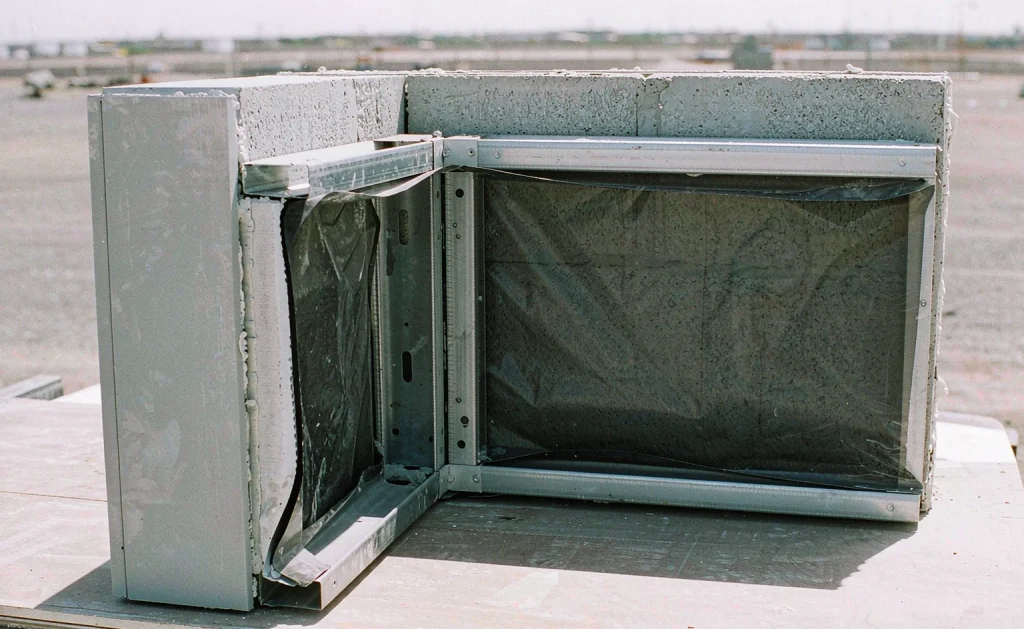
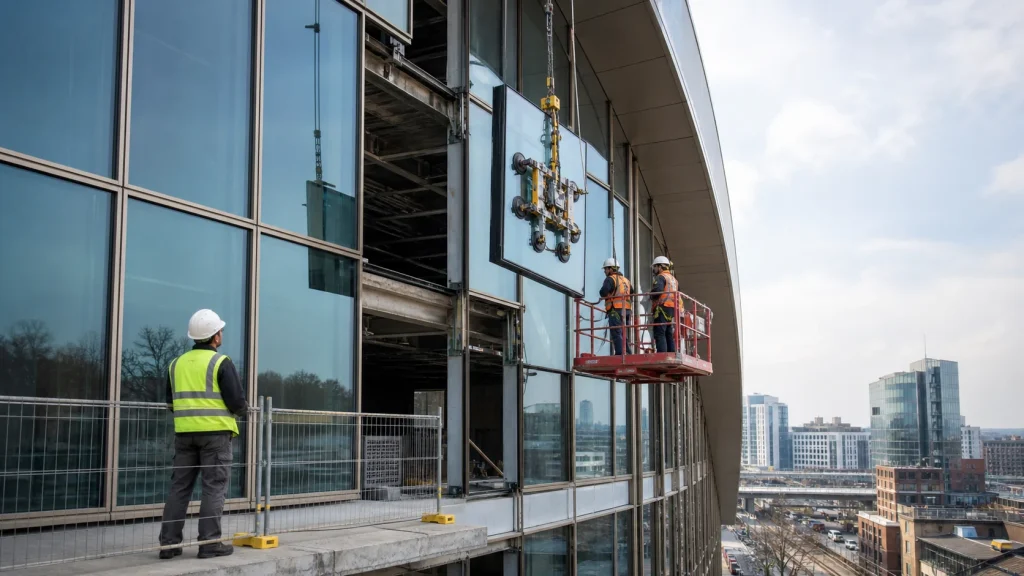
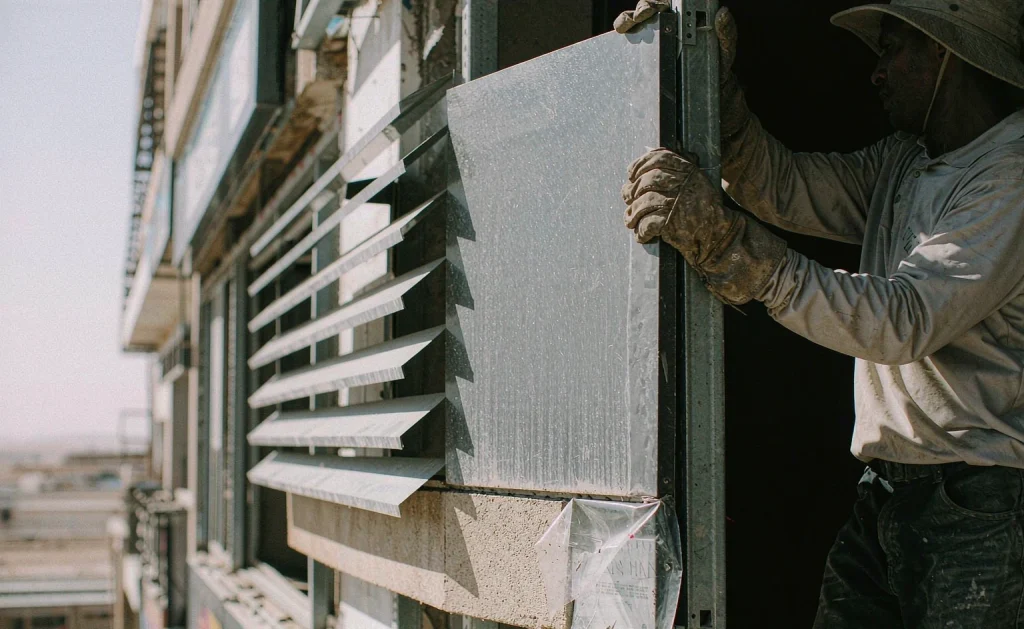
Starveil Facade specifies this build-up for coastal renovations with marine-grade fixings behind the panel, so the metal you never see outlives the coating you do. The Doha record, a 430 m² boutique facade upgrade on a three-storey commercial building, mounted a back-ventilated aluminium rainscreen straight onto the existing structure, with no demolition and no new primary frame, panels pre-finished off site and fixed bay by bay around trading hours. The same programme re-glazed the glass rooflights in argon-filled units on warm-edge spacers and finished every exposed fixing and trim against salt spray. The durability arithmetic behind these choices is set out in our piece on salt and sand exposure for Gulf facades. Cavity detailing practice is summarised by the CWCT at cwct.co.uk.
The night facade is a second design
Retail in Gulf cities trades heavily after dark, so the upgraded facade is judged twice a day: once in harsh sun and once under its own light. The discipline that separates a good boutique facade upgrade from an expensive one is keeping the lighting layer separate from the construction layer. Fixtures should not be glued into panel joints, and drivers should not sit behind riveted trims that cannot be reopened. Conduit routes, driver boxes and maintenance access belong on the fabrication drawings, because a lighting failure behind a sealed rainscreen is a panel removal, not a bulb change. Placed well, a lighting layer washes the vertical reveals and lets the shopfront glazing sell the interior. That matters on a retail street where half the trading day happens after sunset. The discipline transfers to a hotel facade upgrade in Gulf cities, where the arrival sequence after dark is the first photograph a guest posts.
Paperwork, calendars and the month you cannot build
A boutique facade upgrade in Gulf cities faces three constraints that a design drawing cannot solve. The first is municipal review. Doha and its neighbours regulate commercial facades, and the permit file usually wants elevation drawings, material specifications and structural statements for fixing new skin to old structure. The second is the calendar. Ramadan reduces working hours and shifts them into the evening, and deep summer heat bans or discourages midday site work, so the buildable season is shorter than the year. The third is the border. Facade materials entering Qatar need their clearance documents aligned to the consignment before the vessel sails, the same discipline our Saudi import guide describes for SASO and SABER clearance. Suppliers who can put their plant on the record make all three easier, and our Foshan factory audit checklist shows what to ask for before signing. Buyers who want independent eyes on the consignment can also appoint SGS, BV or TÜV inspectors; we host such inspections as a standard part of export orders.
Four items open the file
Send the Starveil Facade team street-level photographs of the existing facade, plus the building’s rough dimensions and storey count. Add the trading calendar, marking the days the businesses cannot close, and the port of entry for the consignment. From those, the proposal returns a route recommendation for the boutique facade upgrade, a phased sequence that respects the working season, and a budget band tight enough to decide on. An architect can join the file later if the building needs one.
What to remember
- Heat, salt and dust decide the specification of a boutique facade upgrade before the design does.
- A ventilated cavity is the cheapest cooling and drainage a small building can buy.
- Design the night facade as its own layer, with its own maintenance access.
- Book the working season early; Ramadan and deep summer shrink it.
- Keep the clearance file on the same calendar as the fabrication drawings.
RELATED READING
For building owners and developers planning a boutique facade upgrade, Starveil Facade provides aluminium facade systems, architectural glazing and design-and-supply support for commercial renovation projects. Visit our facade renovation hub to explore practical approaches to upgrading existing building envelopes, then read our guides to shopfront and small commercial facade renovation, thermal performance in GCC facades and salt and sand exposure for Gulf facades. These resources help project teams assess renovation methods, solar heat control, material durability and facade performance before selecting a suitable upgrade strategy for the Gulf climate.
Frequently asked questions
How much does a boutique facade upgrade cost in Doha?
In a boutique facade upgrade the route decides more than the finish. A direct reskin on sound fixings, a back-ventilated rainscreen, and a shading-integrated upgrade occupy three different budget bands. A street-level survey, not a brochure, tells you which band the building is in.
Can shops stay open during a Gulf facade renovation?
On the renovation studies in our library, yes. The Doha boutique record describes bay-by-bay rainscreen installation worked around trading hours, with panels pre-finished off site to keep noise, dust and site activity to a minimum.
Which facade system suits a small commercial building in a hot coastal city?
A back-ventilated aluminium rainscreen, fixed to the existing structure. The cavity vents heat, drains moisture and keeps salt and dust off the primary seal line, while the street keeps its shops open behind the works.
What documents does Qatar clearance need for facade materials?
Broadly what other Gulf consignments need: invoice and packing list matching the technical dossier, mill and coating certificates, and test evidence for the finishes. The discipline is the one our Saudi import guide covers for SABER, aligned before sailing rather than after arrival.
How long does a boutique facade upgrade take in the Gulf?
The route sets the base programme of a boutique facade upgrade, then the working season shortens it. Ramadan moves working hours into the evening and deep summer restricts midday site work, so the plan is built around the buildable months. A rainscreen route on an existing structure is a medium programme measured in weeks, not months.
Can a new rainscreen be fixed to the existing structure?
Usually yes, once a survey confirms the old structure can carry the sub-frame loads. The Doha record describes panels mounted onto the existing structure with no demolition and no new primary frame. The permit file will want the structural statement that says so.
About the author