Four families, one envelope
| Family | Best for | What it does | Watch-out |
|---|---|---|---|
| Engineered mashrabiya screens | Villas and majlis courtyards needing daytime privacy with daylight | Blocks sight lines and moderates peak solar load before it reaches the glass | The pattern must be engineered to orientation, not decorative; brackets need supervised alignment |
| BIPV glazing | Projects with sustainability targets, Saudi Vision 2030-era briefs | Turns the solar-facing elevation into a generation asset as well as an envelope | Cell output falls with surface temperature; DC-side and AC-side scope must be split in writing |
| Solar-control glass on warm-edge frames | Every envelope, commercial and residential | Cuts solar gain and keeps condensation off interior surfaces | Frame and edge conduction can undo a good glass spec; spacer choice is not cosmetic |
| Back-ventilated rainscreens | Renovations onto existing structures | Upgrades thermal and visual performance without demolition | Cavity detailing must be engineered for dust, not just moisture |
Four climate loads set the brief
Start every Gulf project by writing down the loads in order of severity for that exact site. Heat comes first almost everywhere. On a west-facing elevation in Baghdad or Riyadh, surface temperatures on dark framing can pass 50 °C, which drives coating selection, gasket compounds and, if there is photovoltaics involved, cell yield. Climate responsive facades must account for these high temperatures when selecting materials and finishes. Dust comes second inland: a facade that traps sand in horizontal heads will demand cleaning the owner did not budget for. On the coast, salt-humid air moves up the agenda and attacks coatings, fasteners and drainage paths. The fourth load is the swing between desert night and an air-conditioned interior, which is a condensation problem, not a comfort problem. Climate responsive facades therefore require specifications that respond to local exposure conditions, making the specification order different in Dubai Marina and inland Riyadh. That difference is the whole point.
Mashrabiya as an engineered system
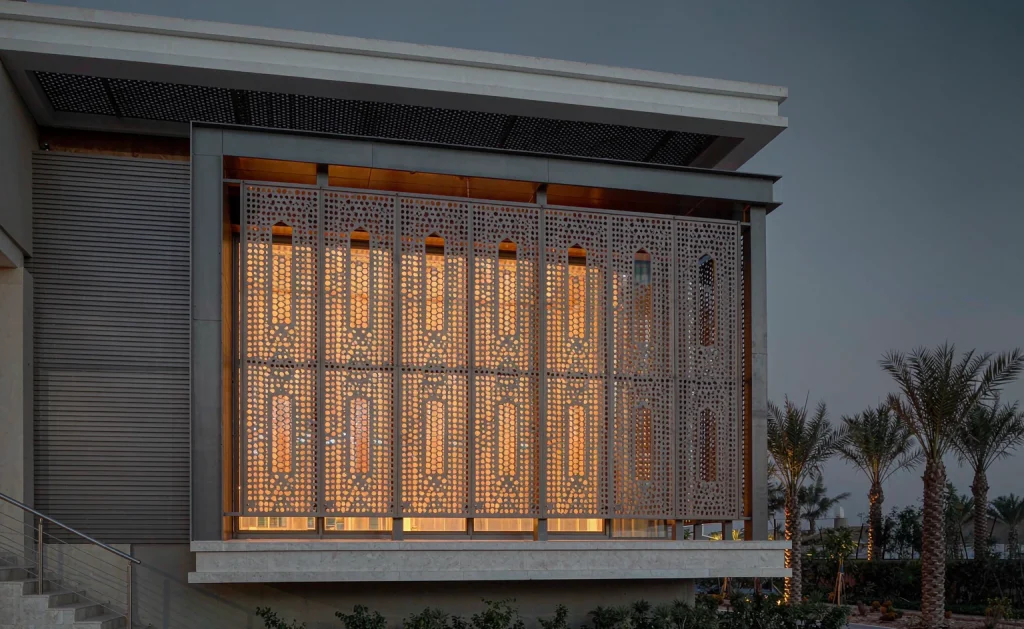
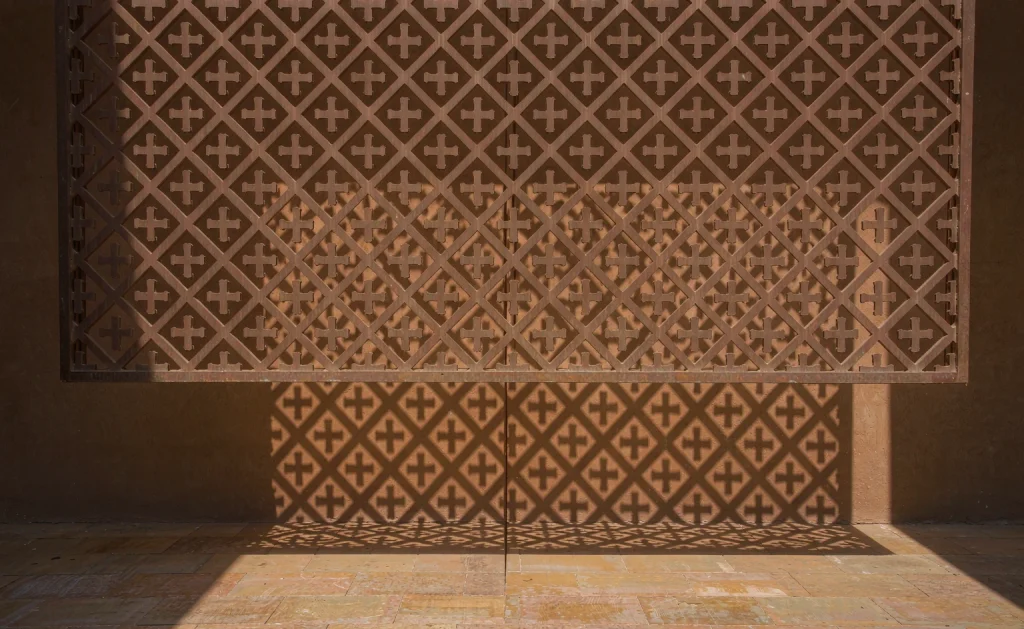
The mashrabiya tradition gives the Gulf a shading language that a brise-soleil catalogue never quite matches. Climate responsive facades draw on this tradition to create a perforated second skin that provides daytime privacy without curtains while cutting peak solar load before it ever reaches the glass. Modernised, the screen is a CNC-patterned aluminium panel system hung on a bracket grid outside the weather envelope, and its engineering decisions are real ones. The pattern density changes with orientation, because a screen that is right for a north elevation is wasteful glass-shade on the west. On the coast, the hardware behind the screen is 316-grade stainless and the finish is a high-durability PVDF specified for salt spray. The Dubai Coastal Majlis Estate study, a 720 m² coastal climate responsive facade set behind a CNC-patterned mashrabiya screen, records that coastal specification in our project library. The bracket alignment decides whether the screen reads as one composed plane or as a patchwork, which is why the installation phase deserves supervised setting-out. Starveil Facade’s CNC machining bays in Foshan cut these patterns to project-specific tooling, so the screen is engineered to the elevation rather than trimmed to fit it. That is the difference between a mashrabiya facade manufacturer with its own CNC tooling and a reseller of decorative panels, a gap our modern mashrabiya engineering guide breaks down decision by decision.
BIPV: the facade that pays part of the bill
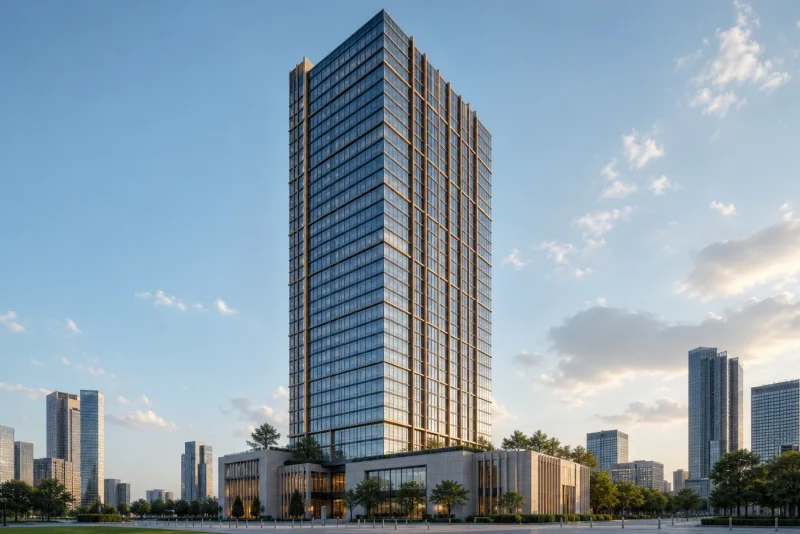
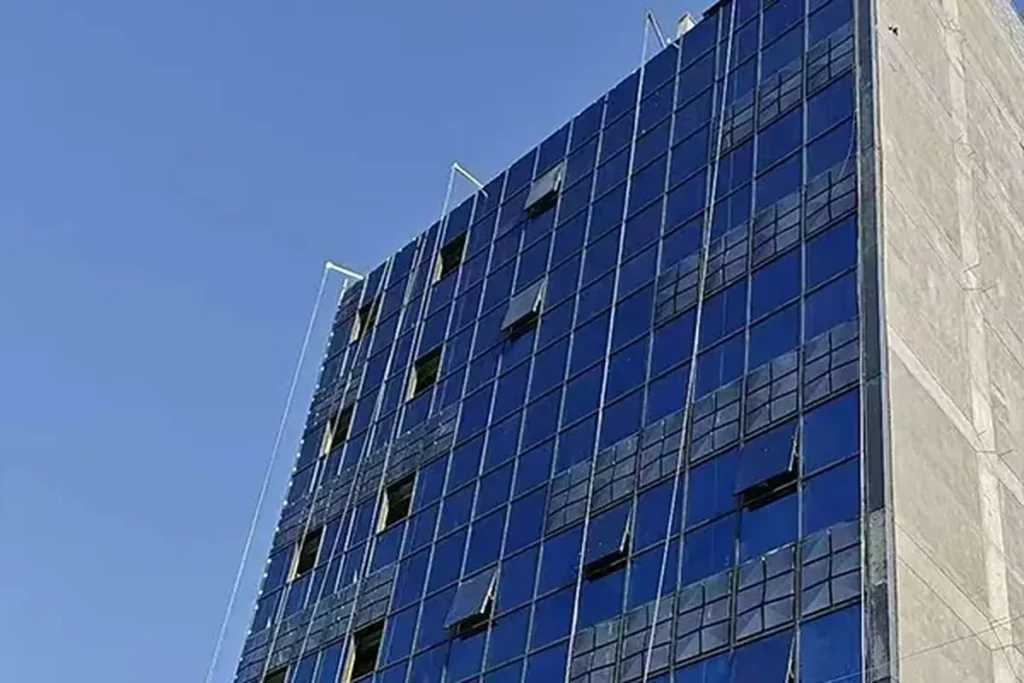
Building-integrated photovoltaics on Climate responsive facades in the Gulf come with a physics lesson attached: cell output falls as surface temperature rises, exactly when the sun is strongest. For Climate responsive facades, the answer on record from our Riyadh study is to pair the BIPV zones with an external mashrabiya screen. That shades the cells through peak noon, lowers their operating temperature and raises real-world yield while also cutting dust soiling on the glazing. Two boundaries keep such projects out of trouble. First, daylight comfort must be modelled rather than guessed: interior lux levels behind semi-transparent cells, simulated hour by hour, so living spaces stay usable without blinds fighting the photovoltaics. Second, the scope boundary must be written: the facade supplier delivers the DC side, schematics, string layout and performance model; the local electrical consultant keeps inverters and grid-connection approval. A supplier who blurs that boundary will end up owning an approval he cannot sign. On a bipv facade gulf villa brief, where one elevation owes the owner privacy, daylight and generation at the same time, getting these two boundaries right matters more than the panel brand.
Glass and frames at 50 degrees
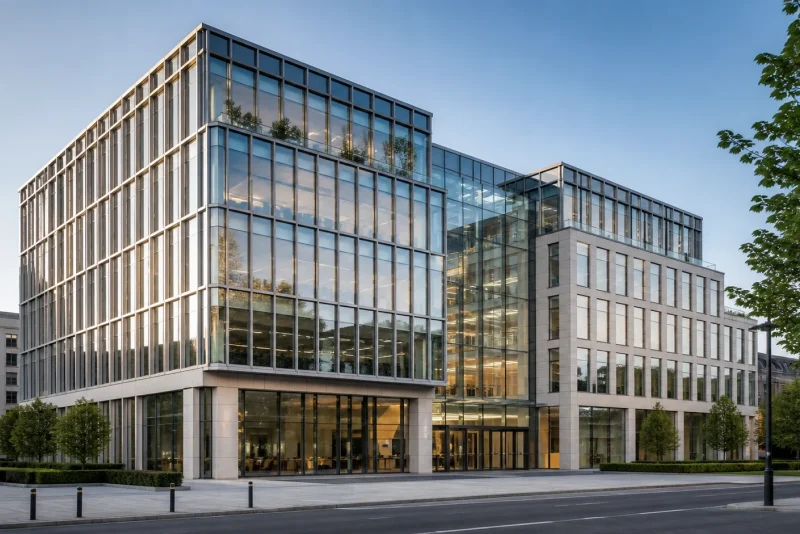
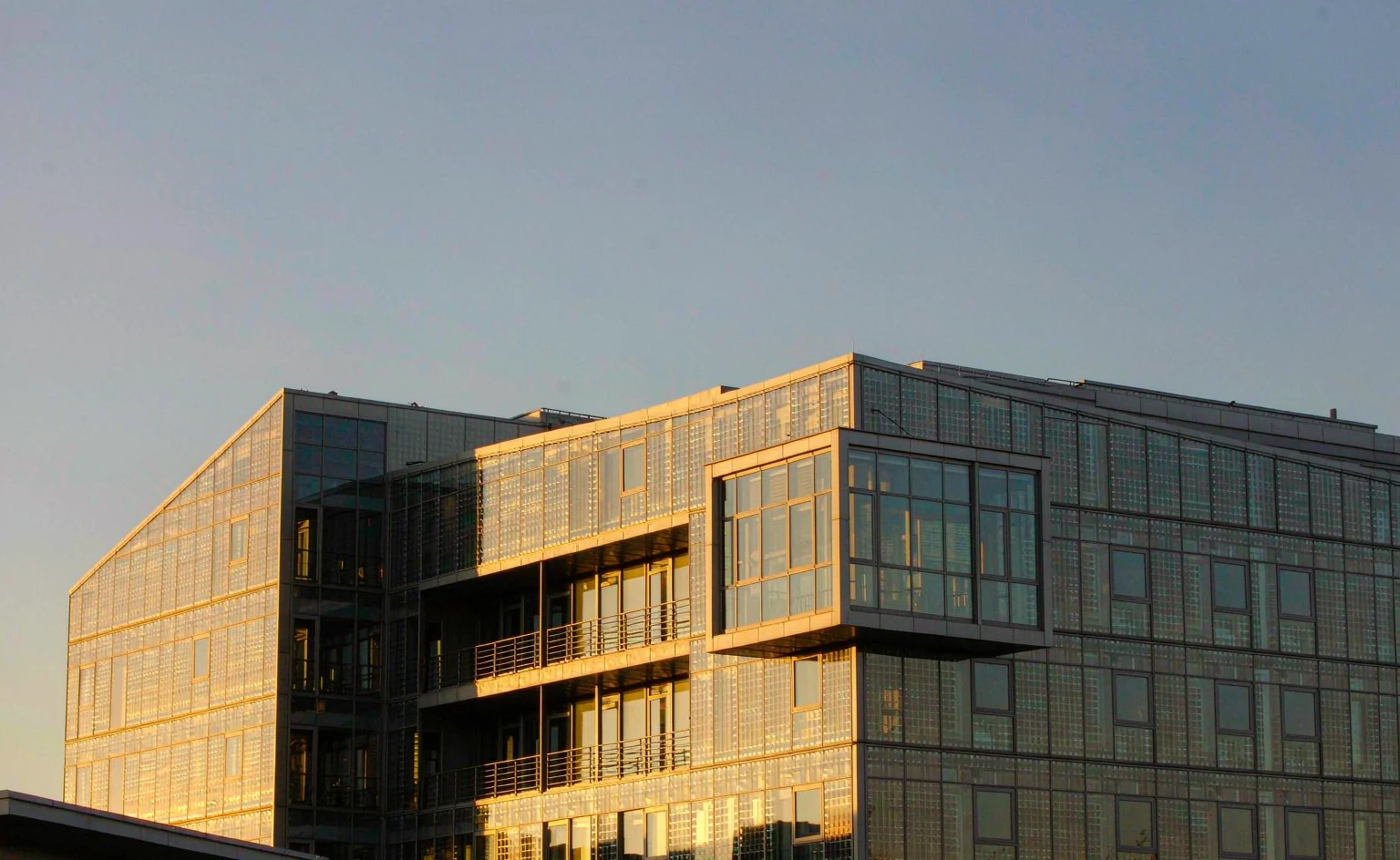
On Climate responsive facades, the glass specification carries most of the thermal performance, and the Gulf pattern is consistent across our project records. Double-silver low-E laminated units go on the sun-facing elevations, warm-edge spacers keep the interior glass surface above dew point through the air-conditioning season, and laminated plies are added where safety or sound matters. The frame matters more than buyers expect, because aluminium conducts heat around the best glazing unless the thermal break is specified and tested. Framing and pressings carry a PVDF coat for dust-abrasion resistance inland and a salt-spray grade at the coast, to the AAMA 2605 performance class for high-durability exterior finishes. Drainage is pressure-equalised and detailed to shed sand rather than trap it in horizontal heads.The Basrah Performing Arts Centre record, 3,400 m² of unitized lobby glazing on a southern-Iraq waterfront, shows the pattern in full: A four-storey glazed elevation engineered as part of Climate responsive facades designed to withstand heat beyond 50 °C., salt-humid air off the Shatt al-Arab and dust events, with salt-spray-grade PVDF framing and pressure-equalised dust-shedding joints carrying the engineering. None of these lines is exotic in isolation; the specification value lies in writing all of them for the same site. Where the same loads meet a tower rather than a four-storey elevation, the decision set shifts again, and our guide to high-rise curtain wall decisions covers that scale.
Renovation without demolition
Existing Gulf buildings are usually occupied, and their substrates often cannot take a heavy rebuild, so Climate responsive facades for such buildings are usually delivered as retrofits. The renovation answer for Climate responsive facades on record from our Doha study is a back-ventilated aluminium rainscreen bolted onto the current structure. No demolition, no new primary frame, and the old envelope keeps weathering behind while the cavity manages heat and moisture. Worked bay by bay, the retrofit runs around trading hours with panels pre-finished off site, which keeps noise and site activity inside the hours the tenant agreed to. Rooflight and glazing upgrades travel in the same programme, detailed for the Gulf’s inverted condensation problem, the air-conditioned interior against hot humid exterior air.
Evidence, approvals and the boundary
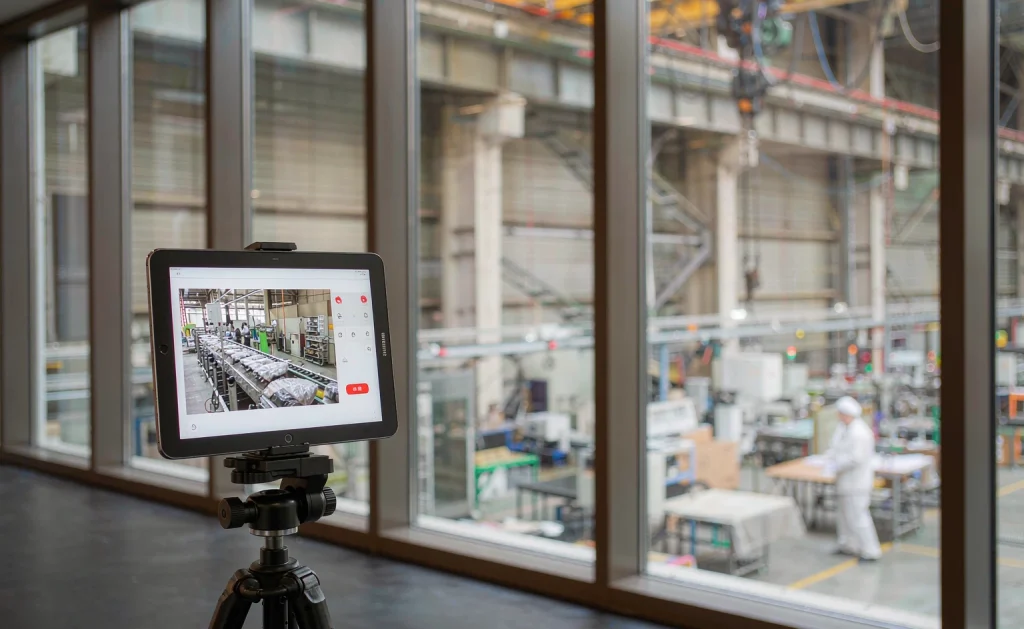
Gulf approvals run on evidence, and the boundary for Climate responsive facades is consistent across the region: the facade supplier supplies evidence, the local authority approves. That means the package your consultant receives should already contain the coating certificates, the test reports, the staged QA photography and the thermal calculations, organised by system and by elevation. In Saudi Arabia the approval route runs through SASO and the local municipality; in Iraq and Qatar, third-party review by the client’s accredited engineer is the norm. If you appoint SGS, BV or TÜV to inspect the finished packages before shipment, we host such inspections as a standard part of export orders. Our Gulf articles go deeper on each side of this: specification priorities, thermal performance and durability in Gulf conditions. And if you are assessing any Gulf supplier, factory evidence is the place to start; our audit checklist covers what to verify in Foshan before the first drawing is signed.
What to send for a Gulf facade proposal
Send the Starveil Facade Gulf team four things: the city and district, the orientation of the main elevations, whether the site is coastal or inland, and the privacy and sustainability intent if any. From those four inputs, the proposal comes back with the Climate responsive facades families named, the glass and coating lines specified by elevation, and the evidence package mapped to your local approval route.
What to hold on to
- A climate responsive facade is decided by site: city, orientation, coast or inland, privacy intent. Not by catalogue.
- Mashrabiya screens are engineered shading, not decoration; pattern density follows orientation.
- BIPV in the desert lives or dies on cell temperature; shading the cells raises the yield.
- Warm-edge spacers are the condensation answer in air-conditioned interiors; they are not cosmetic.
- The evidence boundary is fixed: the supplier supplies evidence, the local authority approves.
Related Reading
For a broader understanding of facade engineering in the Gulf, explore our GCC & Middle East facade solutions hub, which covers regional climate conditions, specialty systems and project delivery considerations. For more detailed technical guidance, our Facade Specification Priorities for GCC Buildings guide explains how orientation, coastal exposure and local approval requirements shape material and system selection. Our Thermal Performance for Facades in Hot-Desert Climates guide examines solar control, external shading, glazing performance and condensation risks, while Salt, Sand and UV: Facade Durability in Gulf Conditions explores the coatings, hardware, drainage and maintenance strategies needed for long-term performance in coastal and inland environments.
Frequently asked questions
Are modern mashrabiya screens expensive?
In a climate responsive facade, the screen is a second engineered skin, so it adds cost to the envelope while subtracting load from the glass and the cooling plant. On villas and majlis courtyards the balance usually lands positive because the primary glazing can be specified less aggressively behind a well-designed screen.
Does BIPV pay back in a 50 °C climate?
It can, but only when the cells are kept cool. Unshaded BIPV in peak desert sun loses output to surface temperature. Pairing the photovoltaic zones with external shading, as in our Riyadh study, is what moves the payback calculation in the right direction.
What approvals does a climate responsive facade need in the Gulf?
The route varies: SASO and municipality review in Saudi Arabia, third-party engineer review by the client’s accredited consultant in Iraq and Qatar. In every case the facade supplier’s job is to hand over an evidence package organised for that review, not to promise the outcome of it.
Is coastal specification really different from inland?
Yes. A coastal climate responsive facade differs from an inland one in hardware, coating and drainage. Coastal work calls for 316-grade stainless fasteners and salt-spray-grade PVDF; inland work shifts the priority to dust-shedding details and abrasion resistance. The two are different specifications, not one premium version of the other.
Can a mashrabiya screen turn an existing building into a climate responsive facade?
Often, yes. A climate responsive facade retrofit can hang the screen on its own bracket grid outside the existing envelope, which is the same logic that makes back-ventilated rainscreen renovations possible on occupied buildings. The structural survey decides, and it decides early.
Do I need a mashrabiya screen, or is upgraded glass enough?
That turns on orientation and privacy intent rather than budget. A west-facing elevation with a daytime privacy brief usually earns a screen, because it cuts peak solar load before the glass and spares the cooling plant. Where privacy is not a driver, a strong solar-control and warm-edge specification can carry the elevation on its own.
About the author