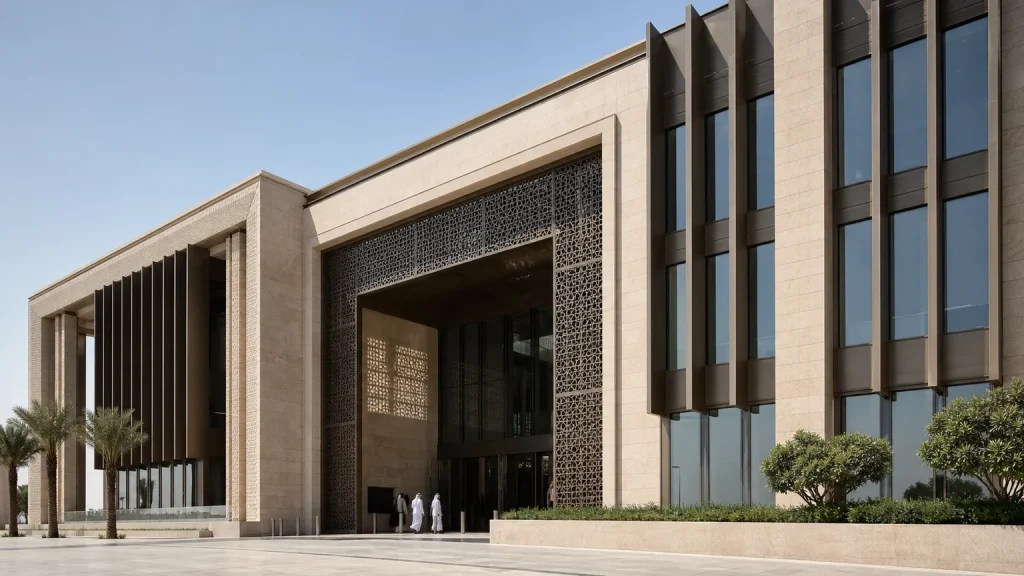
Three coating routes, one decision
| Option | Typical SHGC range | Visible transmittance at that SHGC | Where it wins | Watch out for |
|---|---|---|---|---|
| Double silver Low-E | 0.30 to 0.42 | Moderate, around 50 to 62 percent | Temperate and mild cooling climates, cost-sensitive work | Deeper tint needed to push SHGC lower |
| Triple silver Low-E | 0.20 to 0.30 | High, around 55 to 70 percent | GCC and tropical towers where SHGC targets are tight | Coating cost, longer lead time, glare management |
| Body-tinted or reflective glass | 0.20 to 0.35 | Low, often below 40 percent | Retrofits and dark aesthetic programmes | Daylight quality, higher artificial lighting load |
The table is the short version of solar control glazing selection: match the SHGC band to the climate first, then pay only as much coating as the daylight target requires. A supplier quoting one number without the other is quoting half a glazing.
SHGC: the number that sizes the chiller
Solar heat gain coefficient measures the fraction of incident solar energy that ends up inside, and in cooling-dominated markets it does more to plant sizing than any U-value. Halving SHGC on a fully glazed west elevation roughly halves the peak cooling demand attributable to that wall, which is why the energy model, not the brochure, should pick the solar control glazing target. The bands are stable enough to plan around: 0.20 to 0.30 for the Gulf and the tropics, 0.35 to 0.45 for temperate climates where winter gains offset summer peaks. Our GCC thermal performance guide and the GCC facade specification guide set these targets in their regional code context, including where each authority audits the figure.
Double silver versus triple silver: what the extra layer buys
Both coatings are stacks of silver layers sandwiched in dielectrics; the difference is how selectively they treat the spectrum.

A triple silver low-e coating adds a third silver layer, which steepens the cut-off between visible and near-infrared wavelengths: more heat reflected, less light sacrificed. In practice that means a triple silver product can hold a visible transmittance in the low 60s percent at an SHGC near 0.24, where a double silver equivalent might need to darken into the 40s to reach the same heat figure. That daylight difference cascades into lighting loads, interior glare and the usefulness of the view, so the coating premium buys comfort as much as kilowatts. On the delivered Foshan Tianyue tower, double-silver and triple-silver Low-E units were mixed by zone, pushing centre-of-glass U to 1.4 W/(m²·K) where the brief demanded it, and the same zoning logic applies to SHGC.
The light-and-heat balance nobody should delegate
A facade can pass its energy code and fail its occupants: drop visible transmittance far enough and the building compensates with artificial light, heat and blinds permanently closed over a view somebody paid for. The discipline is to specify both numbers and their ratio: a light-to-solar-gain ratio above roughly 1.5 marks a selective coating doing real engineering work, and below 1.2 usually means tint rather than engineering. Orientation matters to the same judgement, since a north elevation in the northern hemisphere carries little penalty for generous transmittance. Solar control glazing selected as a single SHGC number, without its daylight partner, is how buildings end up with efficient envelopes and dim, lamp-lit interiors.
Whole-window versus centre-of-glass: the SHGC trap
Coating datasheets quote centre-of-glass performance, but the number the code and the chiller see is the whole window or whole wall, frame share included. Aluminium framing without thermal treatment admits heat and lowers the assembly SHGC’s usefulness differently than the glazing alone: an assembly at 25 percent frame can sit a few points above its glass-centre figure in solar terms while losing ground thermally. NFRC whole-product ratings exist precisely to close this gap, which is why export specifications for North America name the label and Gulf consultants increasingly ask for the same basis; solar control glazing bought on a glass-centre datasheet alone is the classic trap. The framing context around the glazing build-up, from cavities to spacers, is covered in our insulated curtain wall guide, and the high performance curtain wall framework treats SHGC as one of five numbers that make a specification enforceable.
When the glass is not the only answer: shading first, coating second
The cheapest solar control is geometry. External screens intercept radiation before it ever reaches the glass, so the solar control glazing behind them can relax one band while the facade still hits its target. A reference study on record for the Dubai Majlis Estate, a 720 m² two-storey Gulf-coastal envelope built as a stick curtain wall behind a CNC-patterned aluminium mashrabiya second skin that moderates peak solar load before it reaches the glass, shows the full stack: 316-grade stainless hardware for salt spray, a high-durability PVDF coating, gasket compounds rated for the full Gulf temperature cycle, and even the recessed lighting derated for +50 °C ambient operation.
The screen also carries the privacy agenda for the majlis courtyard during the day. Shading and glazing should be engineered as one decision, and our climate responsive facade guide with Gulf mashrabiya and BIPV expands the same logic for power-generating envelopes.
Reading the quotation: what a coating offer should contain
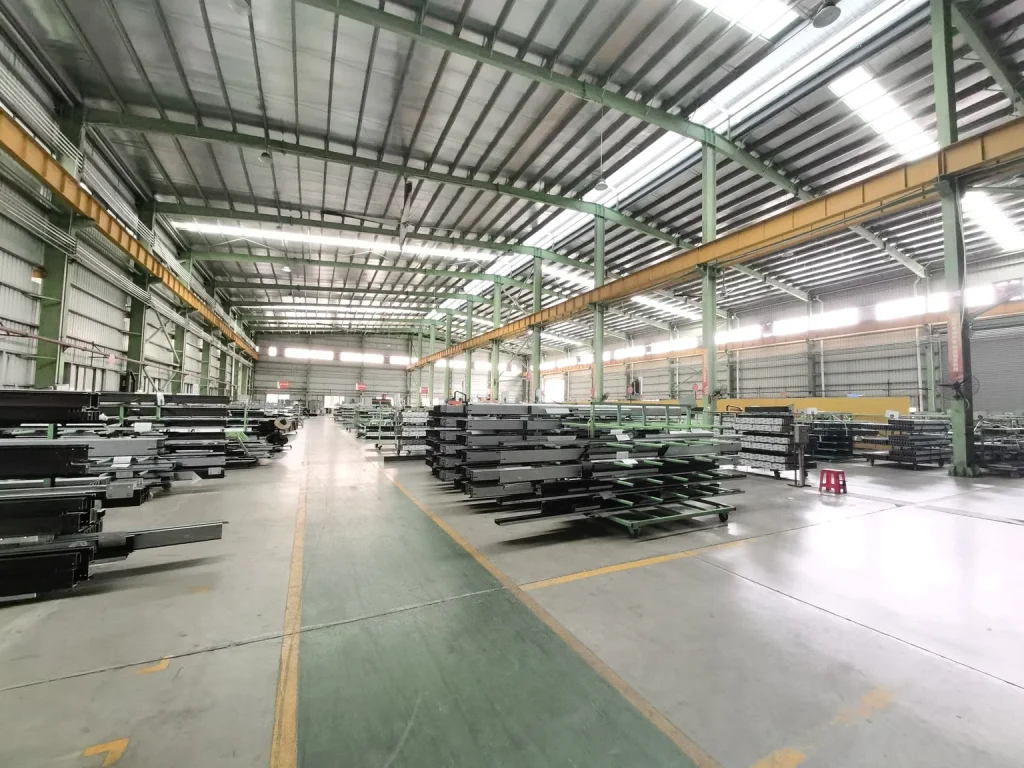
A complete solar control glazing offer states the coating manufacturer and product name, the SHGC and visible transmittance on a stated basis, glass-centre or NFRC whole product, the coating position in the build-up with cavity width, and the warranty terms separating glass, coating and unit. It also names the extras that quietly decide projects in storm markets: impact-rated laminates for debris zones, which our typhoon-rated glass walls guide for the Philippines and Vietnam covers, and condensation behaviour where the interior is aggressively cooled. Starveil Facade assembles the glazing build-up, the frame system and the shading strategy in one submission from the Foshan engineering desk, because a coating chosen in isolation from its wall is a number, not a facade.
Send the orientation, the code and the daylight target
Send the project location with its irradiation profile, the orientations and window-to-wall ratios per elevation, the local energy code or the shgc target for gulf projects if the authority has set one, and any daylight factor or interior lux requirement. Ask back for the solar control glazing options as paired numbers, SHGC with visible transmittance on a stated basis, plus the coating position, the build-up and the whole-window or whole-wall adjustment. Three paired options beats one single number, every time.
What to carry forward
- Solar control glazing is bought as a pair: SHGC with visible transmittance, never one alone.
- Target bands hold steady: 0.20 to 0.30 in the Gulf and tropics, 0.35 to 0.45 in temperate markets.
- Triple silver buys daylight at low SHGC; double silver wins on cost where the target is milder.
- Whole-window ratings, not glass-centre datasheets, are what the code and the chiller see.
- External shading moves the target before the coating has to: geometry first, chemistry second.
RELATED READING
For a broader understanding of facade engineering and energy-efficient building envelopes, explore our Facade Insights Hub. You may also find our guides on thermal performance for facades in hot-desert climates, insulated curtain wall systems and glazing configurations, and climate-responsive facade design for the Gulf useful when evaluating solar heat gain, Low-E coatings, visible light transmission and external shading strategies. To learn more about our architectural glazing solutions and integrated facade engineering capabilities, visit Starveil Facade.
Frequently asked questions
What is a good shgc target for gulf projects?
Between 0.20 and 0.30 for fully glazed elevations, with the lower end reserved for west-facing and high-transparency facades. The energy model should confirm the final figure, since orientation, interior loads and shading geometry all shift the optimum within the band.
How does solar control glazing work?
Through a stack of thin silver and dielectric layers that reflects near-infrared radiation while transmitting visible wavelengths, lowering the solar heat gain coefficient of the glazing unit. The coating sits on a cavity-facing surface of an insulated unit, and its position in the build-up is part of the specification.
Is a triple silver low-e coating worth the premium?
In hot climates, usually yes. A triple silver low-e coating holds visible transmittance in the low 60s percent at an SHGC near 0.24, where a double silver product must darken to reach the same heat figure. The premium buys daylight and glare comfort along with the cooling load, and it is cheapest where the SHGC target is tightest.
Does solar control glazing darken the interior?
Selective coatings do not need to. The engineering measure is the light-to-solar-gain ratio: above roughly 1.5, the coating is doing selective work and interiors stay daylit; below 1.2, the glass is tinted rather than engineered and lighting loads climb. Specify both numbers and the ratio takes care of itself.
Can shading replace high-performance coatings?
Partly, and the combination is usually the best economics. On the 720 m² Dubai Majlis Estate study, a CNC-patterned mashrabiya screen moderates peak solar load before it reaches the glass, letting the coating specification relax while the facade still holds its comfort targets through a Gulf summer with +50 °C ambient design conditions.
Does solar control glazing affect U-value?
The two properties are related but separately specified. Low-E coatings that manage solar gain also lower emissivity, which helps the U-value, but cavity width, gas fill and spacer type dominate the thermal figure. A specification should name the U-value target and the SHGC target independently, each on a stated basis.
About the author